
Ce soir sur RMC Story : pourquoi la diffusion de The Impossible retient l’attention
La soirée s’annonce particulière pour les amateurs de cinéma et de récits humains intenses. À 21h10, RMC Story propose la rediffusion de The Impossible, un film qui a marqué les esprits dès sa sortie pour son réalisme et sa puissance émotionnelle. La chaîne fait le choix de mettre en lumière une œuvre qui mêle spectacle et témoignage, et qui, sur un plan télévisuel, rencontre à la fois le public familial et celui en quête d’images fortes.
Sur le plan technique, le film dure environ 105 minutes et, lors de ses premières diffusions, il a souvent été classé comme déconseillé aux moins de 12 ans en raison de scènes intenses. Pour la télévision, cela pose la question du bon positionnement horaire et du soin à apporter aux informations préalables : signaler la nature dramatique, accompagner éventuellement d’un rappel historique. RMC Story joue ici un rôle de passeur, en proposant une œuvre de cinéma qui invite à la réflexion sur la fragilité humaine face aux catastrophes naturelles.
La diffusion et l’audience : un choix de programmation réfléchi
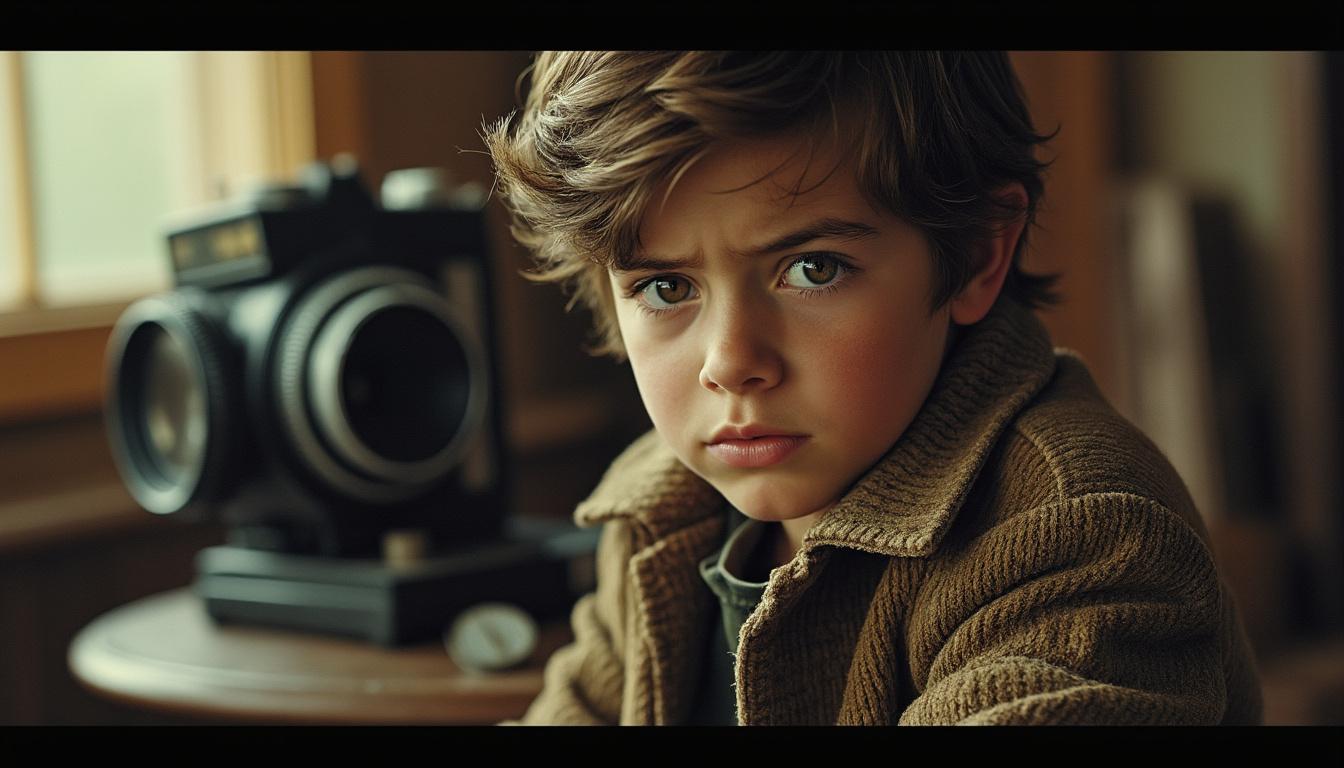
Programmer The Impossible un soir de semaine, c’est viser un public adulte mais aussi un public familial mature. La chaîne s’appuie sur la force narrative du film et sur la notoriété des acteurs principaux pour capter l’attention. La présence d’un jeune acteur dans un rôle essentiel — un véritable acteur enfant dont c’était le premier film — ajoute à l’aspect « découverte » et stimule l’intérêt des téléspectateurs curieux de trajectoires d’artistes.
Au-delà du simple divertissement, la diffusion favorise la mémoire collective. En 2026, repasser ces images, c’est aussi rappeler le séisme du 26 décembre 2004 et l’onde de choc internationale qu’il a provoquée. La télévision devient ainsi un vecteur d’apprentissage informel. Elle entretient la mémoire historique en la mêlant à la mise en scène dramatique.
En filigrane, la programmation montre comment une chaîne comme RMC Story sait équilibrer programmation documentaire et cinéma de haute intensité. Cette stratégie attire des publics différents et offre matière à débat après la projection. Insight : la diffusion télévisuelle transforme un film en événement collectif, propice à la discussion.
The Impossible : récit, personnages et puissance émotionnelle du film
Le cœur du film se concentre sur une famille de vacanciers qui bascule soudainement dans l’horreur. Henry, interprété par Ewan McGregor, et Maria, incarnée par Naomi Watts, sont parents de trois garçons. Ils vivent la joie simple d’un séjour en Thaïlande, un paradis de plage et de cocotiers, avant qu’une gigantesque vague n’interrompe brutalement cette quiétude.
La scène déclencheuse se situe le 26 décembre, date qui renvoie directement au séisme majeur dans l’océan Indien. Dans l’espace d’une respiration, la plage est emportée. Maria et Lucas, le fils aîné, luttent à la surface du tsunami. Henry, quant à lui, agrippe les deux cadets pour tenter de survivre. Le récit se transforme alors en une odyssée de survie où la séparation devient un moteur dramatique puissant.
La narration et l’intensité
Le film mise sur des focales resserrées et sur des scènes courtes, presque haletantes, pour transmettre la confusion et la peur. La force dramatique naît de la somme de ces instants : un regard, une main qui se tend, un silence interrompu. Le spectateur est placé au plus près des corps et des sensations. Cette méthode narrative, proche de l’écriture sensorielle des contes qui privilégient l’immédiateté, rend le drame tangible.
Le lien entre cinéma et récits traditionnels peut surprendre, mais il existe. Les archétypes — famille menacée, épreuve initiatique, retrouvailles — rappellent des motifs présents dans la littérature et dans les contes. Pour qui s’intéresse aux ressorts narratifs, des parallèles instructifs se trouvent avec des analyses sur les thèmes récurrents dans les contes féeriques ou la manière dont les histoires populaires mettent en scène l’épreuve et la transformation.
Insight : le pouvoir d’un film tient souvent à sa capacité à rendre universel un récit intime.
Tournage et effets : immersion réelle pour une scène de tsunami inoubliable
Le réalisateur Juan Antonio Bayona a choisi une approche hybride pour rendre la catastrophe crédible. Plutôt que de tout confier au numérique, il a commandé des solutions pratiques : un gigantesque réservoir d’eau a été construit en Espagne, dans les grands studios de Ciudad de la Luz. Là, des vagues contrôlées ont submergé des décors partiels et des maquettes. Les résultats, capturés caméra à la main, donnent au spectateur la sensation d’être emporté.
Les acteurs ont été immergés pendant certaines prises, ce qui a intensifié les performances. L’immersion réelle provoque des réactions physiques authentiques : respiration coupée, corps engourdi, gestes de panique. Ces éléments, combinés aux effets numériques, produisent une image d’ensemble convaincante. La précision des maquettes et la qualité du travail physique expliquent pourquoi la scène a tant marqué.
Exemples concrets de techniques utilisées
Des modèles réduits de bâtiments et des tronçons de plage ont été conçus pour résister à la force de l’eau. Les ingénieurs des studios ont programmé des vagues de différentes amplitudes, permettant de synchroniser les mouvements avec les prises de vue. La combinaison de prises en milieu réel et d’inserts numériques a permis d’éviter l’aspect artificiel qui afflige parfois les grandes scènes d’apocalypse.
Sur le plan logistique, tourner une scène de ce type exigeait une coordination serrée : équipes de sécurité, infirmiers, répétitions dans des conditions contrôlées. Le réalisme a un coût, mais il offre une récompense esthétique et émotionnelle rare. Pour les jeunes acteurs, l’expérience a constitué une première leçon de cinéma intensif et formateur.
Insight : mêler éléments réels et numériques reste souvent la voie la plus convaincante pour restituer la puissance de la nature au cinéma.
La découverte d’une future superstar enfant : trajectoire et retentissement
Au centre de cette histoire se trouve un jeune interprète dont le rôle, bien que modeste à l’époque, constitue un véritable premier film. La présence d’un acteur enfant au cœur d’un drame familial renforce l’impact émotionnel. L’expérience du tournage, si exigeante, devient une carte de visite : immersion, rigueur et capacité à jouer sous pression.
Ce premier passage au cinéma a servi de tremplin. Dans les années qui suivirent, le jeune comédien a vu sa carrière s’accélérer. Le film a été un révélateur : il a permis au public et aux professionnels de repérer un talent brut. La trajectoire suivie par cet superstar enfant illustre comment un rôle précis peut changer un destin artistique.
Du premier rôle aux superproductions
Plusieurs acteurs repérés jeunes ont ensuite embrassé des carrières très diverses. Certains ont poursuivi le théâtre, d’autres se sont tournés vers des franchises à grand spectacle. L’exemple de nombreux artistes contemporains montre qu’un premier film peut ouvrir des portes, mais que la suite dépend aussi des choix et des opportunités. L’important reste la qualité de la formation et la capacité à incarner des personnages variés.
La découverte d’un talent évoque aussi la manière dont le cinéma et la télévision fonctionnent comme vitrines. Une diffusion sur une chaîne comme RMC Story participe à la construction d’une notoriété. Voir un jeune acteur dans une scène cruciale, c’est comprendre au plus tôt sa capacité à émouvoir. Pour les observateurs, c’est une découverte qui peut s’avérer capitale.
Insight : un premier film bien construit n’est pas seulement un test d’aptitude, c’est souvent la première brique d’une carrière durable.
Regarder The Impossible en 2026 : enjeux mémoriels, pédagogiques et émotionnels
Revoir The Impossible aujourd’hui invite à réfléchir aux dimensions multiples du cinéma : vécu, mémoire, éducation. Le film s’appuie sur un événement réel — le séisme du 26 décembre 2004 — qui a engendré un tsunami d’une magnitude estimée entre 9,1 et 9,3. Les vagues ont atteint, par endroits, 35 mètres. Le bilan humain, tragique, a touché plusieurs pays et fait partie des catastrophes les plus meurtrières du XXIe siècle.
Le regard porté en 2026 est teinté par la distance temporelle. Les images du film peuvent servir de support pour expliquer aux jeunes spectateurs ce qu’est un tsunami, comment se produisent les séismes sous-marins et quelles sont les mesures de prévention. La télévision, utilisée à bon escient, devient un outil pédagogique complémentaire.
Raisons de regarder ce film ce soir
- Compréhension historique : replacer le séisme et le tsunami de 2004 dans une chronologie.
- Éducation aux risques : analyser les comportements de survie montrés à l’écran.
- Analyse cinématographique : observer les choix de mise en scène et d’effets pratiques.
- Découverte d’un talent : repérer le jeune acteur devenu une figure du cinéma contemporain.
- Débat familial : la projection suscite des échanges sur la résilience et la solidarité.
Pour enrichir la lecture culturelle, il est intéressant de croiser cinéma et récits traditionnels. Des articles sur la littérature des contes féeriques ou sur des œuvres mêlant mythe et réalité, comme Ondine, montrent comment les récits servent à interpréter l’imprévu et l’épreuve. De la même manière, des analyses de contes célèbres éclairent les motifs émotionnels présents dans le film : séparation, quête, retrouvailles — motifs que l’on retrouve aussi dans des textes comme Cendrillon ou dans des études sur les grands conteurs.
Insight : regarder The Impossible sur RMC Story n’est pas seulement assister à une projection ; c’est participer à la mémoire collective et explorer, par le biais du cinéma, les ressorts universels du récit humain.